

San Antonio Zoo’s
Upcoming Events

September 1 - September 30, 2026
Frontline Heroes
Calling All Frontline Heroes! Enjoy FREE Admission in September!
To thank you for your dedication...
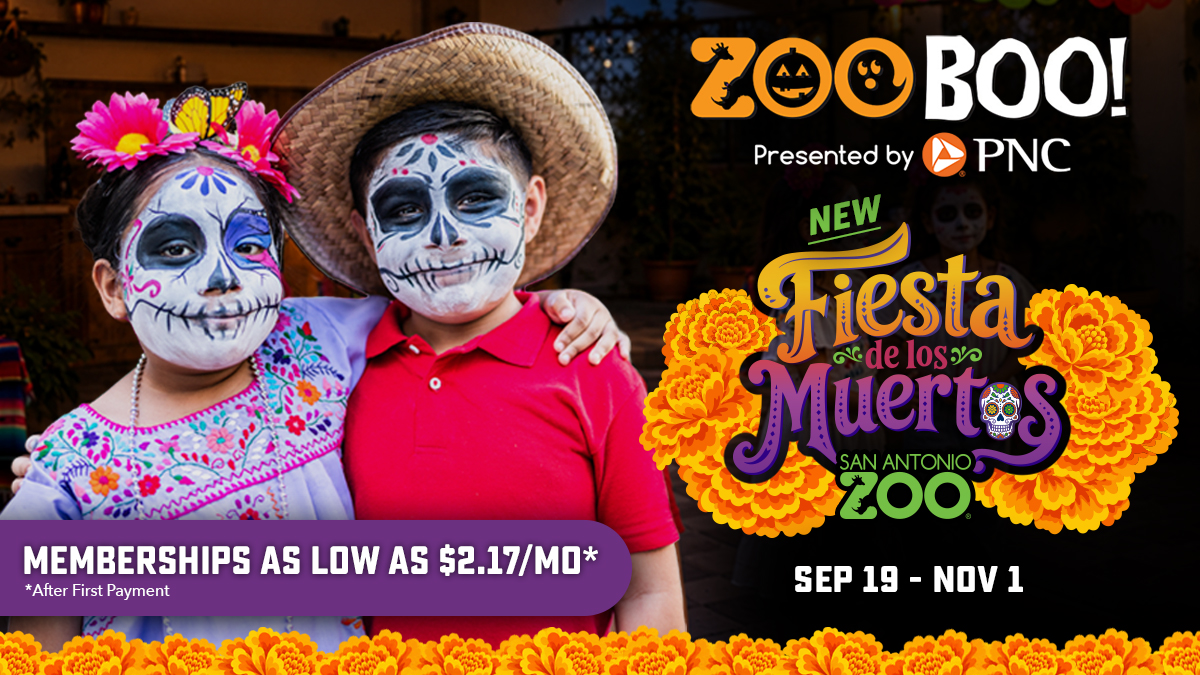
September 19 - November 1, 2026
Zoo Boo! presented by PNC
Celebrate Halloween season at San Antonio Zoo during Zoo Boo! Presented by PNC, a not-too-spooky tradition...

September 19, 2026
Zen Zoo
RSVP
Roll out your yoga mat, grab a refreshing drink, and step into an indoor sanctuary for an...
New At The Zoo
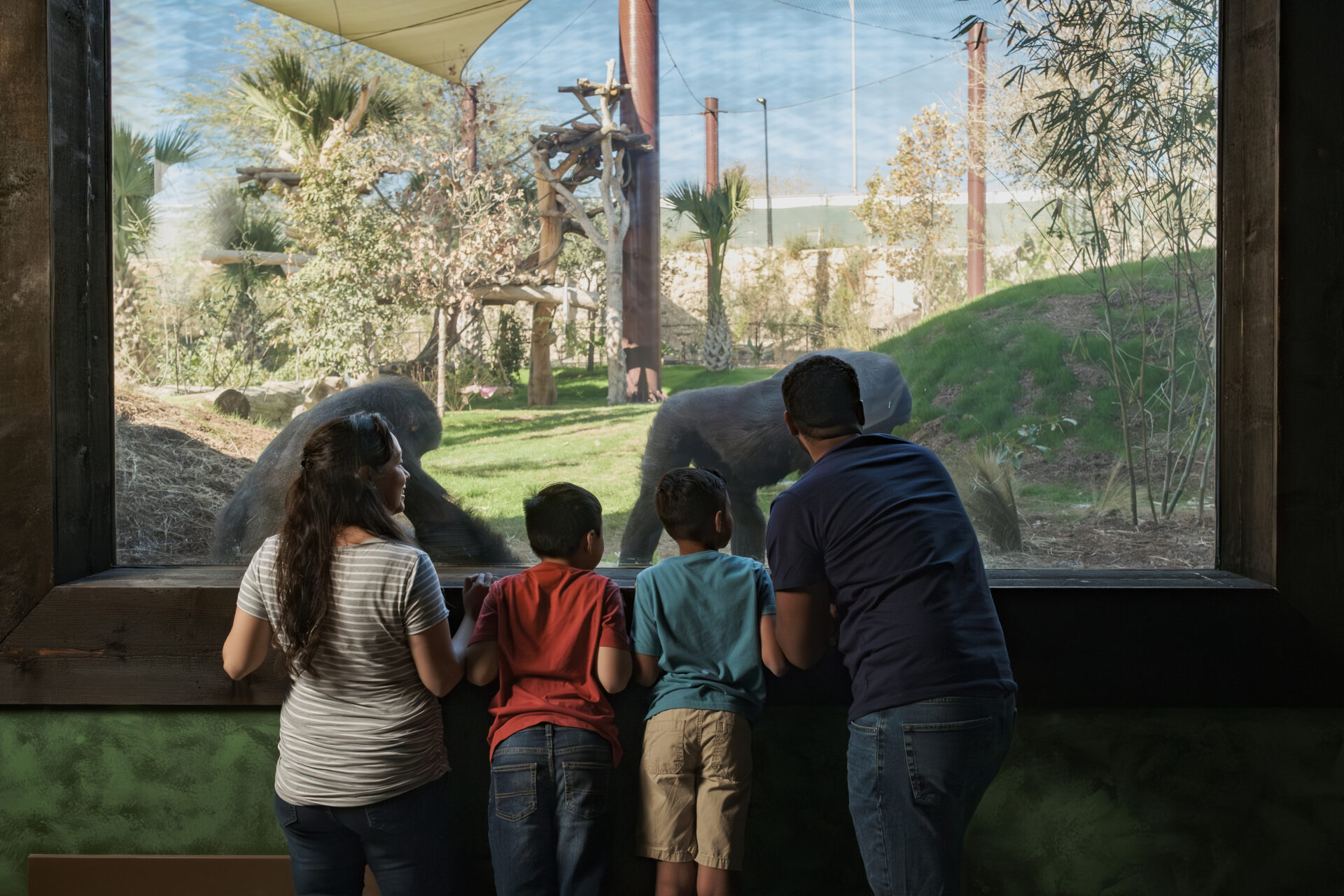
Gorillasadd

New Zoo Entranceadd
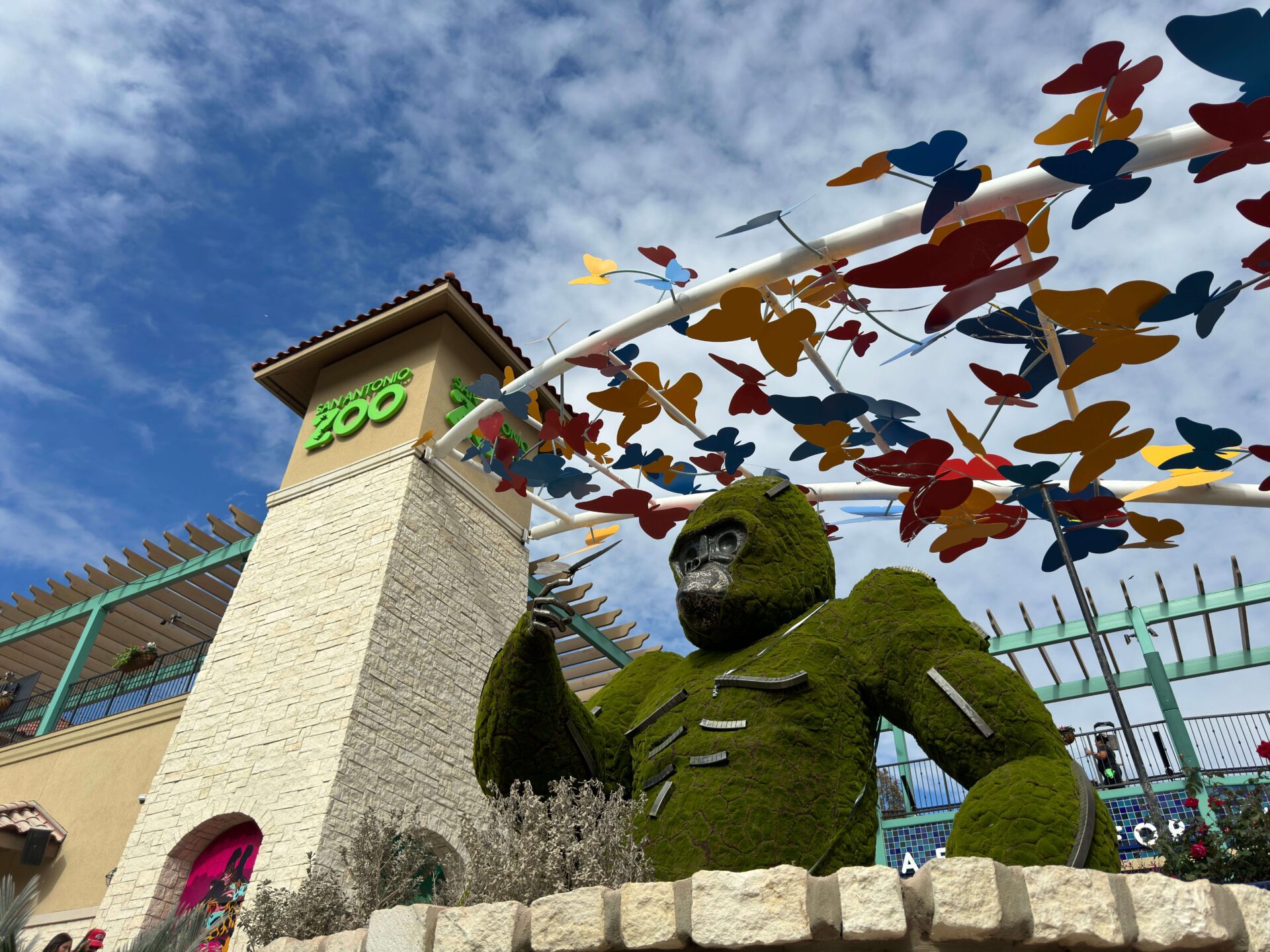
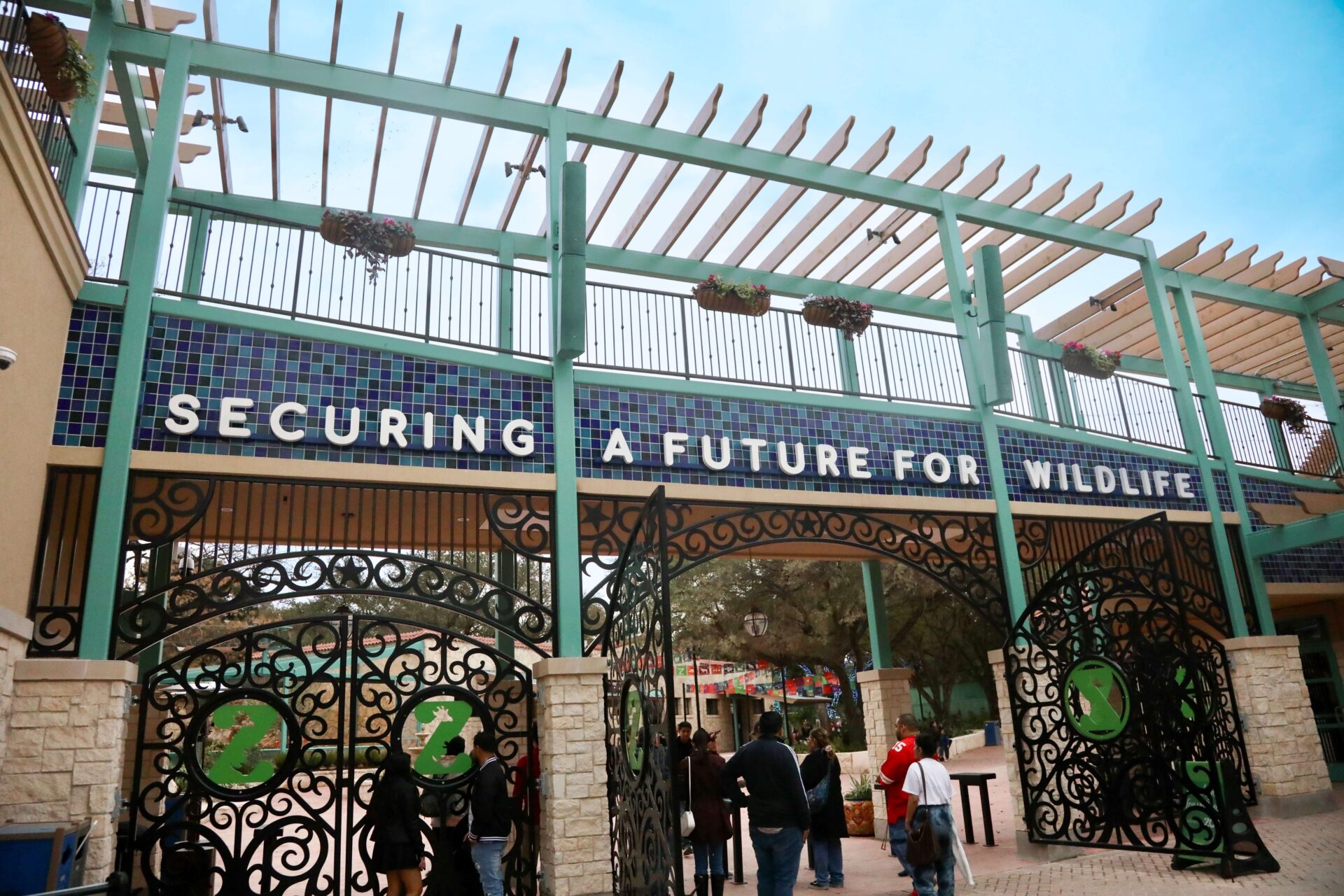
New Zoo Entrance
San Antonio Zoo’s transformed entrance reflects the city’s heritage, with improved flow, school entrances, and accessibility. Inside, H-E-B Plaza offers exciting features like Lemur Skywalk, restored Monkey House.
Plan
Your Adventure
With an array of animals for you to encounter, exciting events, and hands-on experiences happening daily, there’s always something new at the zoo! Discover our habitats, grab a bite to eat, take a ride on our Texas carousel, and so much more!